Bioengineering + BusinessBerkeley, California

Christine
Yuna Jang

I study bioengineering and business at UC Berkeley, exploring biomolecular engineering, bioseparation, and microfluidic systems.

Currently

Undergraduate researcher
Seung-Wuk Lee Laboratory

Explore my research
Research / Engineering / TranslationSelected work · 2023—2026
01 / About me

Across disciplines.
Grounded in research.

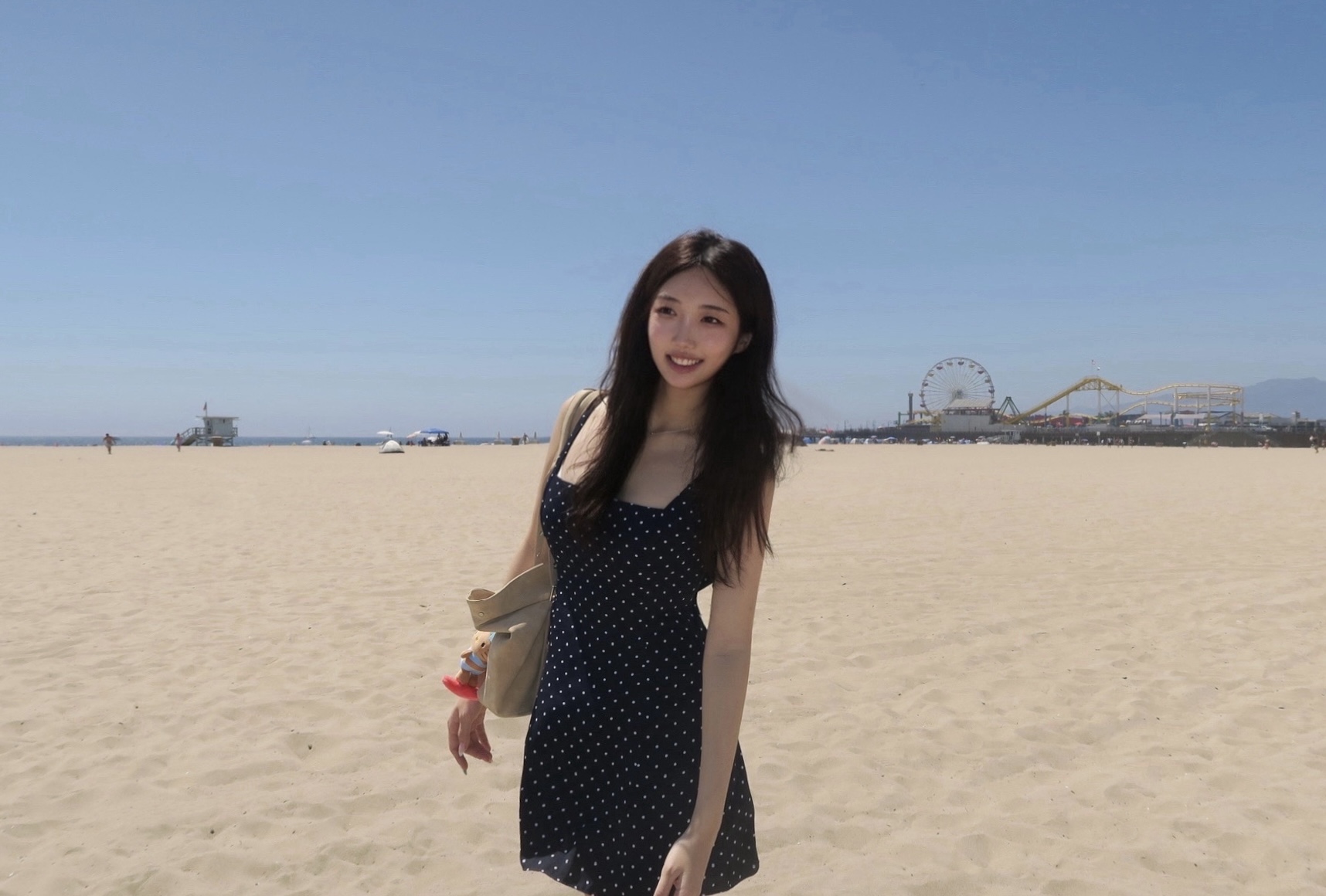
Christine Yuna Jang at the beach

My work spans biomolecular engineering, microfluidic systems, and computational approaches. I am interested in translating experimental research into practical biotechnology applications.

Education

University of California, Berkeley

Management, Entrepreneurship, & Technology (M.E.T.) Program

B.S. BioengineeringMay 2027, expected
B.S. Business AdministrationMay 2027, expected
Overall GPA3.897 / 4.0
Technical GPA4.0 / 4.0
Relevant coursework
  • BioE 103Engineering Molecules 2
  • BioE 121LBioMEMS & BioNanotechnology
  • BioE 104Biological Transport Phenomena
  • BioE 131Introduction to Computational Biology
  • BioE 105Engineering Devices
  • BioE 110Biomedical Physiology for Engineers
02 / Selected work

Research & Engineering

From molecular constructs to diagnostic devices—building, troubleshooting, and testing ideas across scales.

01
Experimental researchJan 2026 — Present

Engineered Phage for Rare-Earth Separation

Seung-Wuk Lee Laboratory · UC Berkeley & Lawrence Berkeley National Laboratory

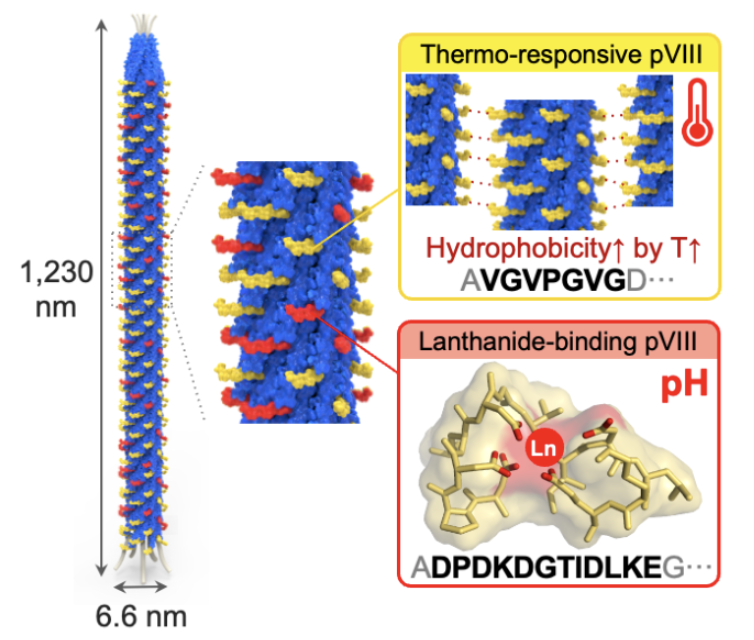
Engineering bifunctional M13 bacteriophage displaying lanthanide-binding and elastin-like peptides for selective rare-earth capture and thermoresponsive recovery.

View project detailsHide project details

My contribution

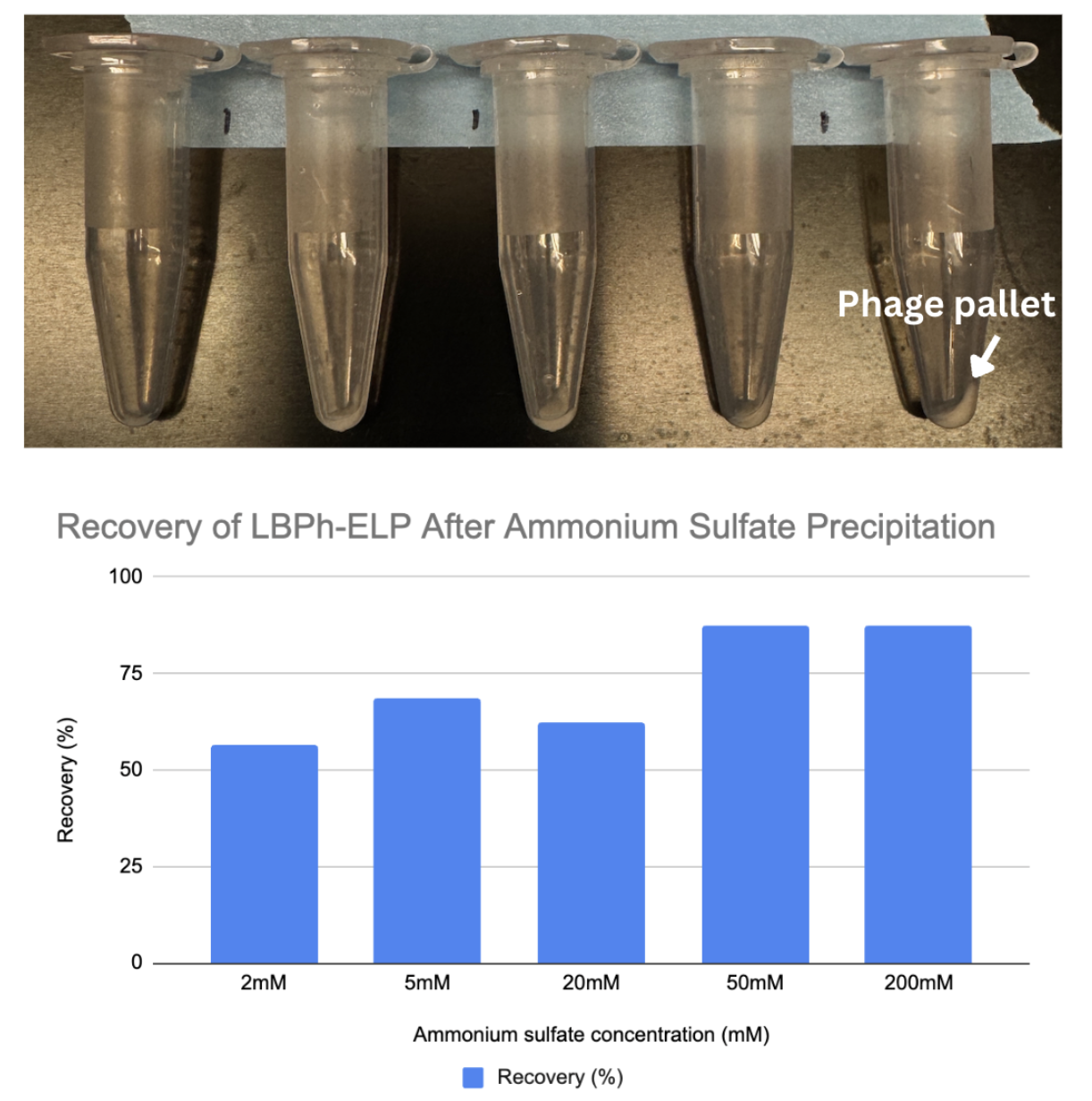
Contributed to engineering and sequence validation of LBPh-ELP constructs. Addressed wild-type phage contamination through plaque-assay clonal isolation and evaluated ammonium sulfate-assisted precipitation and recovery using UV–Vis spectroscopy.

Evidence & outcome

Confirmed LBP (DPDKDGTID) and ELP (VPGVG) motifs through Sanger sequencing. Achieved up to 88% phage recovery at 50–200 mM ammonium sulfate, compared with 56% at 2 mM under the tested conditions. Ongoing work supports further REE separation studies and manuscript preparation.

  • Phage Display
  • Molecular Engineering
  • Bioseparation
  • UV–Vis
02
Microfluidics researchSpring 2026

Amnion-on-a-Chip

BioMEMS Laboratory · UC Berkeley · PI: Prof. Ian Clark

A membrane-integrated microfluidic platform designed to investigate barrier integrity, molecular transport, and simulated fetal membrane damage.

View project detailsHide project details
System01
Four-step workflow for photolithography, soft lithography, membrane bonding, device assembly, and experimental setup
Validation02
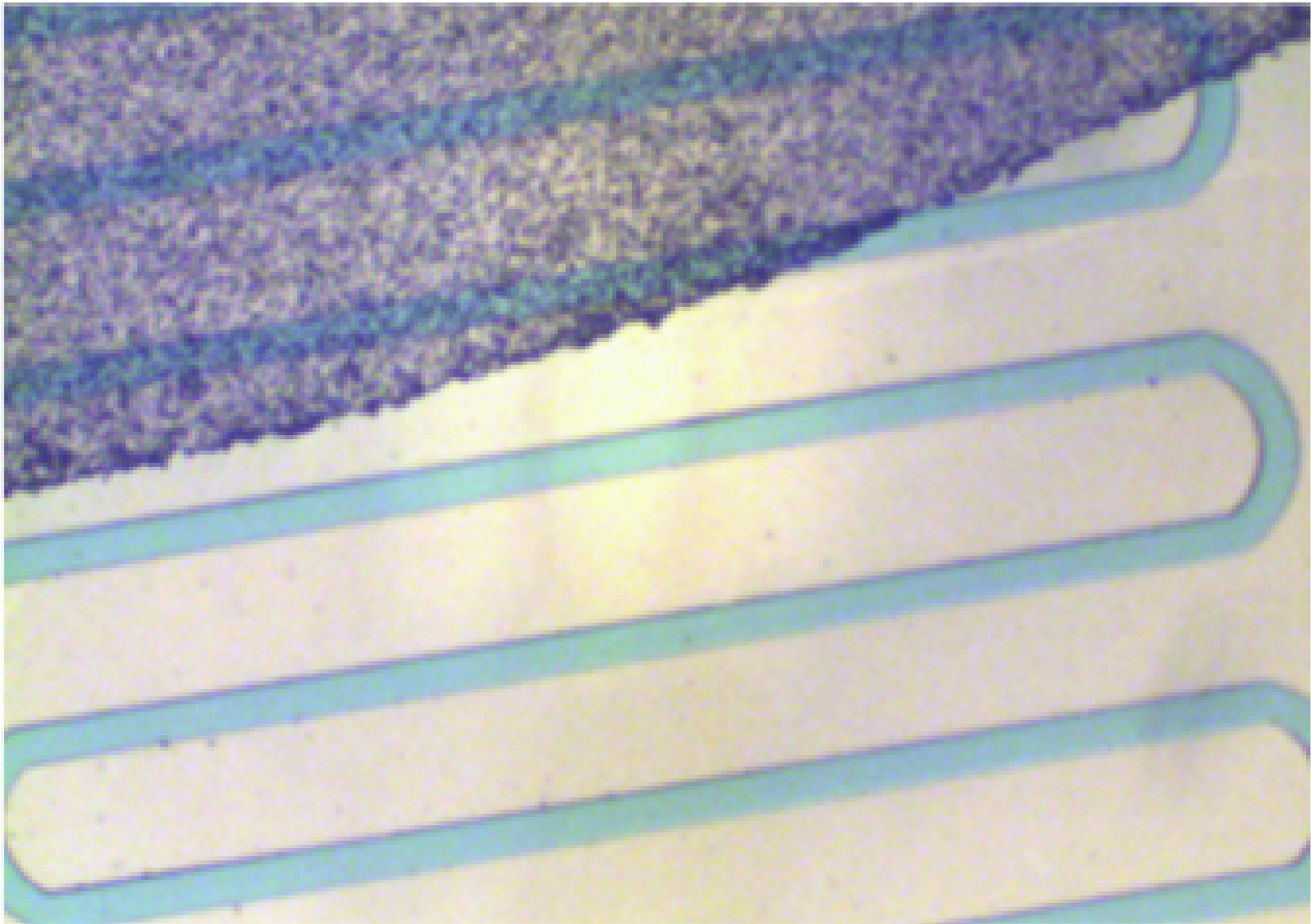
Microscope image showing dye confined within the microfluidic channels without observable lateral leakage
Results03
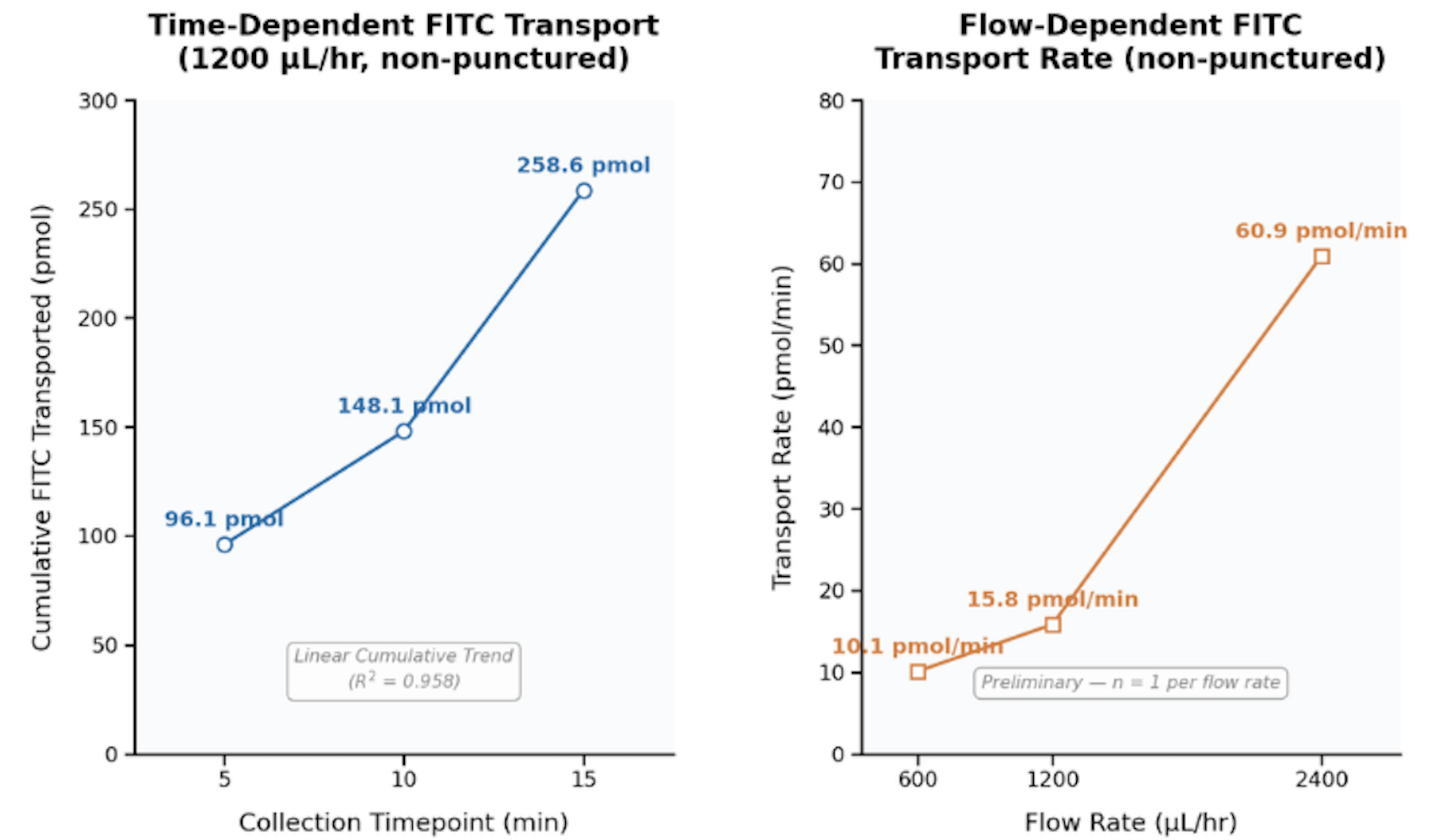
Time-dependent and flow-dependent FITC transport measurements for the non-punctured membrane device
View full poster

My contribution

Fabricated PDMS microfluidic devices using SU-8 photolithography and plasma bonding around a 3 µm-pore membrane. Improved experimental reliability by modifying the fabrication sequence to perform membrane puncture before device bonding, enabling more consistent effluent collection.

Evidence & outcome

Validated leak-free sealing and quantified FITC transport, identifying diffusion-limited transport up to 1,200 µL/hr. Elevated transport at 2,400 uL/hr suggested additional pressure-driven contributions. Co-authored a technical report and poster.

  • Microfabrication
  • Membrane transport
  • Fluorescence
03
Engineering course projectFall 2025 · BioE 105

Point-of-Care Urine Diagnostics

UC Berkeley

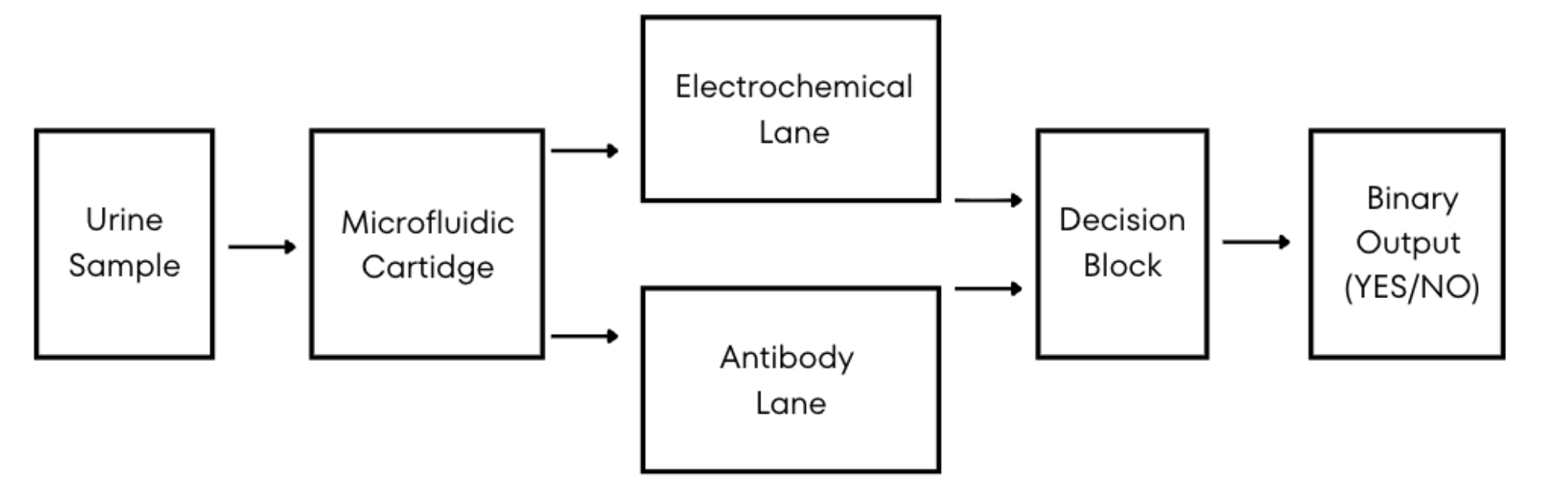
A proposed dual-lane microfluidic cartridge integrating lateral-flow immunoassays and electrochemical detection for rapid drug-facilitated assault screening.

View project detailsHide project details
System concept01
Proposed urine diagnostic workflow from microfluidic cartridge through electrochemical and antibody sensing lanes to a binary decision output
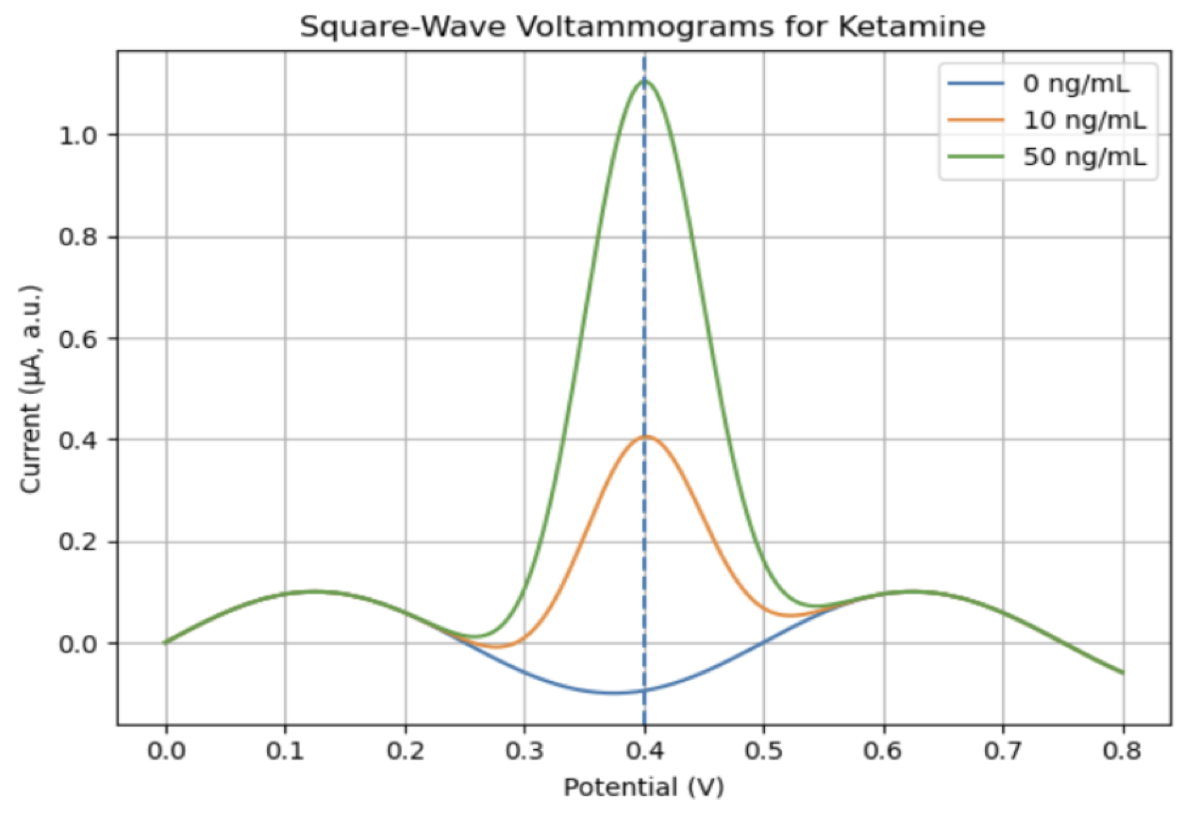
Electrochemical simulation02
Simulated square-wave voltammograms for ketamine concentrations of 0, 10, and 50 nanograms per milliliter
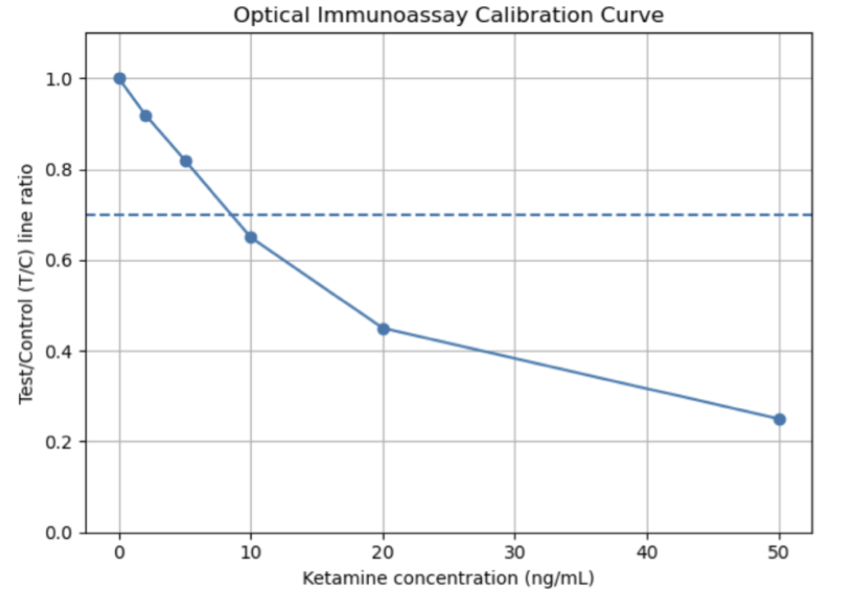
Immunoassay simulation03
Simulated optical immunoassay calibration curve across increasing ketamine concentrations
View final paper

My contribution

Contributed to the conceptual design of a dual-lane diagnostic cartridge and analog signal-processing architecture targeting a 10-minute assay. Modeled detection performance in Python and evaluated projected manufacturing costs and market feasibility.

Evidence & outcome

Python-based simulations estimated approximately 95% optical assay sensitivity at 10 ng/mL ketamine under assumed calibration and noise conditions. The proposed system integrated immunoassay and electrochemical detection; no physical prototype or clinical validation was performed.

  • Diagnostic Design
  • Python Simulation
  • Electrochemical Sensing
  • Feasibility Analysis
04
Computational modelingSpring 2025 · BioE 104

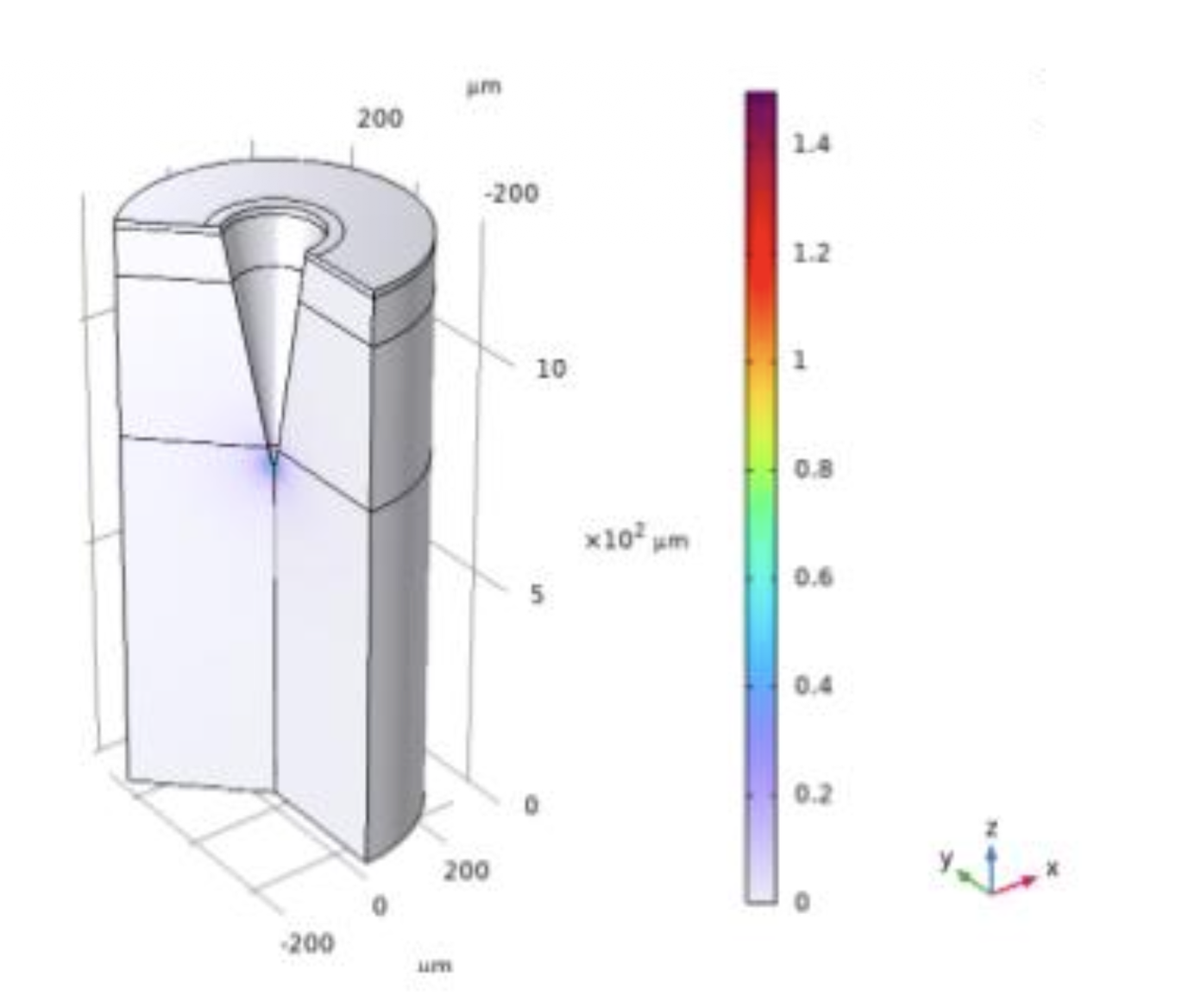
Microneedle drug delivery

UC Berkeley

Comparative COMSOL modeling of transdermal ibuprofen delivery using solid, coated, and hollow microneedle designs.

View project detailsHide project details
Solid01
COMSOL-modeled ibuprofen concentration profile for a solid microneedle after 30 minutes
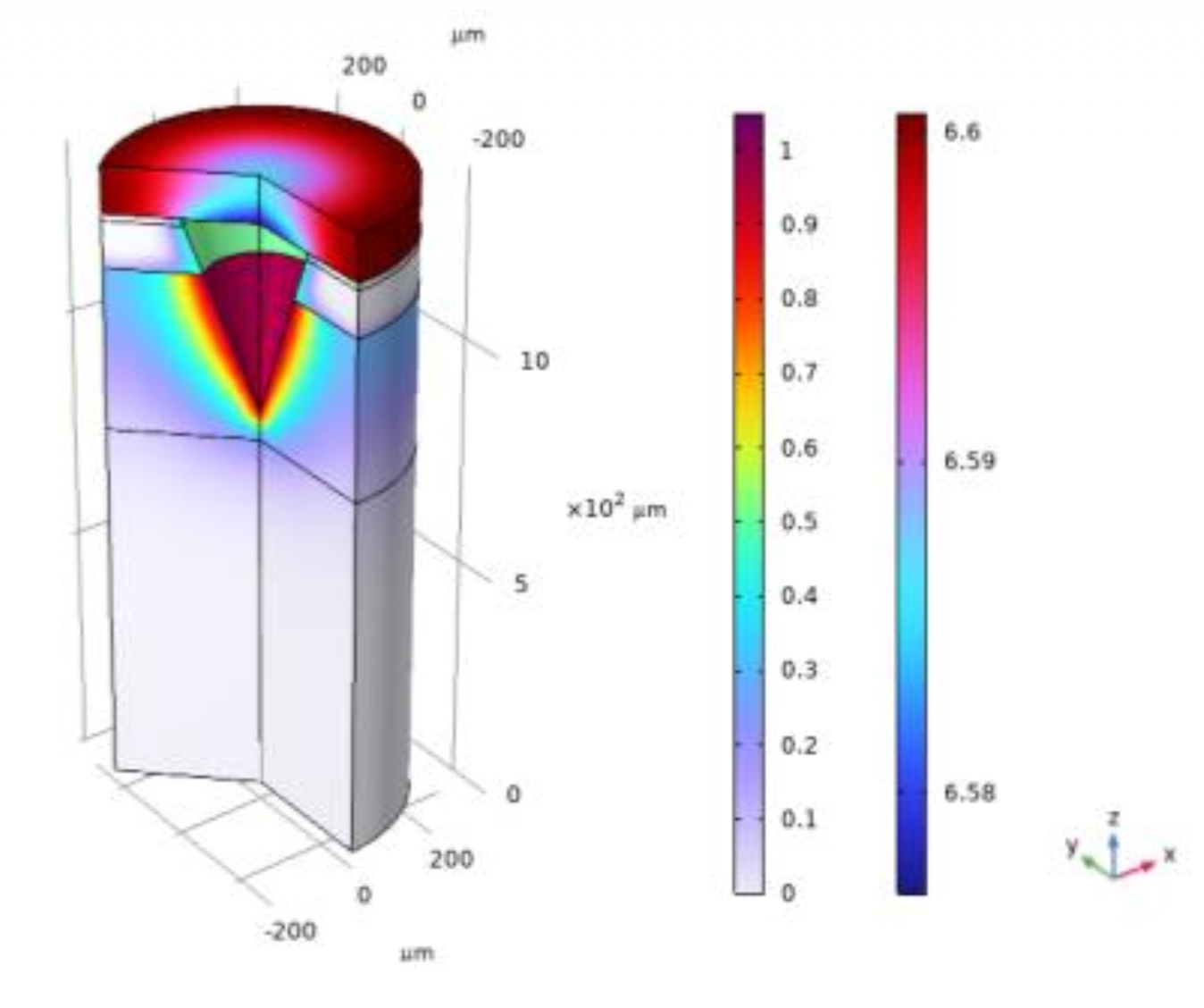
Coated02
COMSOL-modeled ibuprofen concentration profile for a coated microneedle after 30 minutes
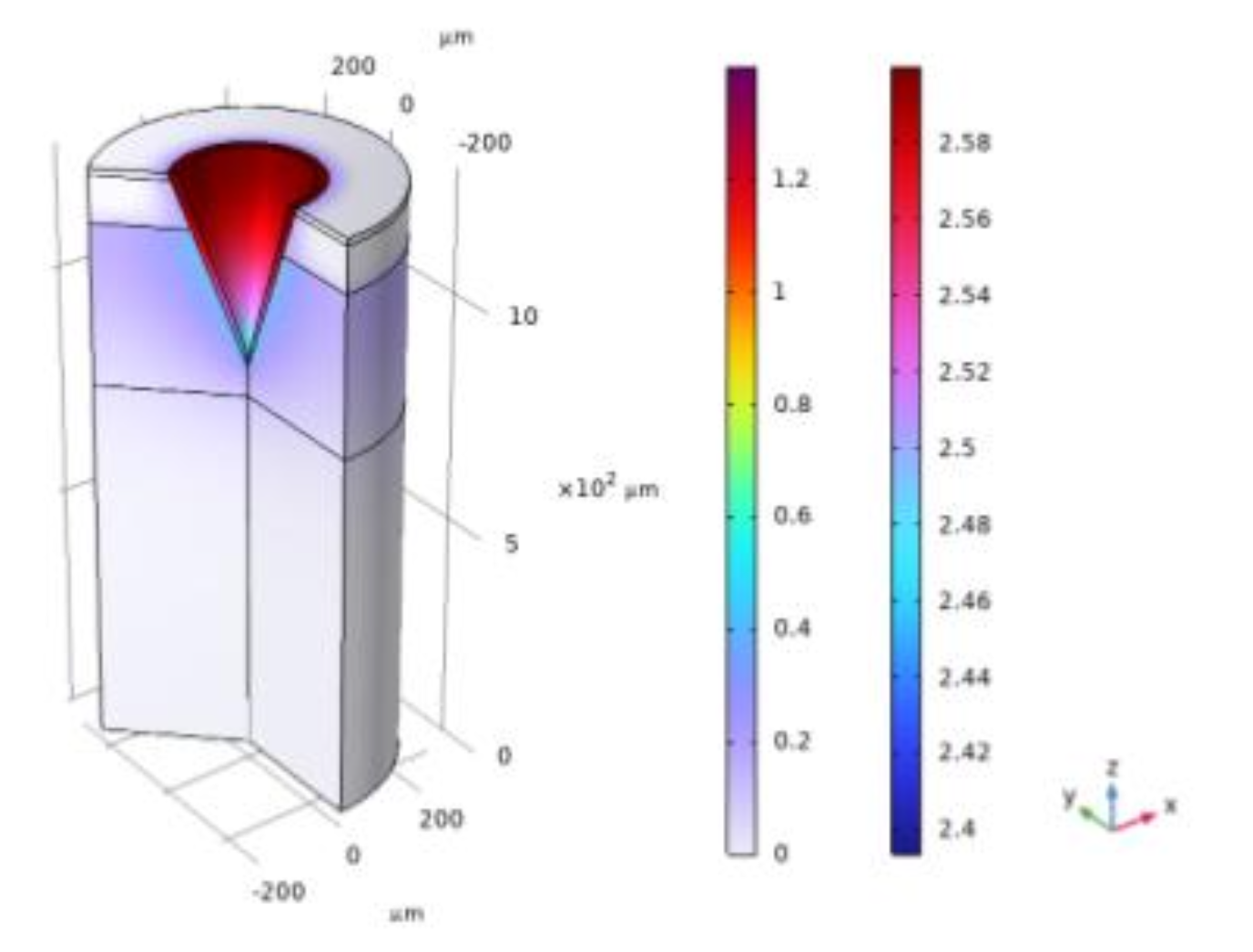
Hollow03
COMSOL-modeled ibuprofen concentration profile for a hollow microneedle after 30 minutes

COMSOL-modeled ibuprofen distribution after 30 minutes. Each panel retains its original color scale.

View final paper

My contribution

Proposed the project concept and developed initial 2D axisymmetric geometries for solid, coated, and hollow microneedles in COMSOL Multiphysics. Contributed to parameter refinement, simulation troubleshooting, and comparative analysis of time-dependent drug transport.

Evidence & outcome

Compared time-dependent ibuprofen transport across three microneedle configurations using Fickian diffusion and, for the hollow design, laminar-flow modeling. Under the modeled conditions, solid microneedles achieved the highest peak drug concentration, while hollow microneedles exhibited a more gradual release profile.

  • COMSOL
  • Transport modeling
  • Drug delivery
05
Device conceptFall 2023 · BioE 10

Portable RT-LAMP Diagnostic Concept for Ebola Detection

UC Berkeley

A proposed portable, dual-gene Ebola detection device for settings with limited diagnostic access.

View project detailsHide project details
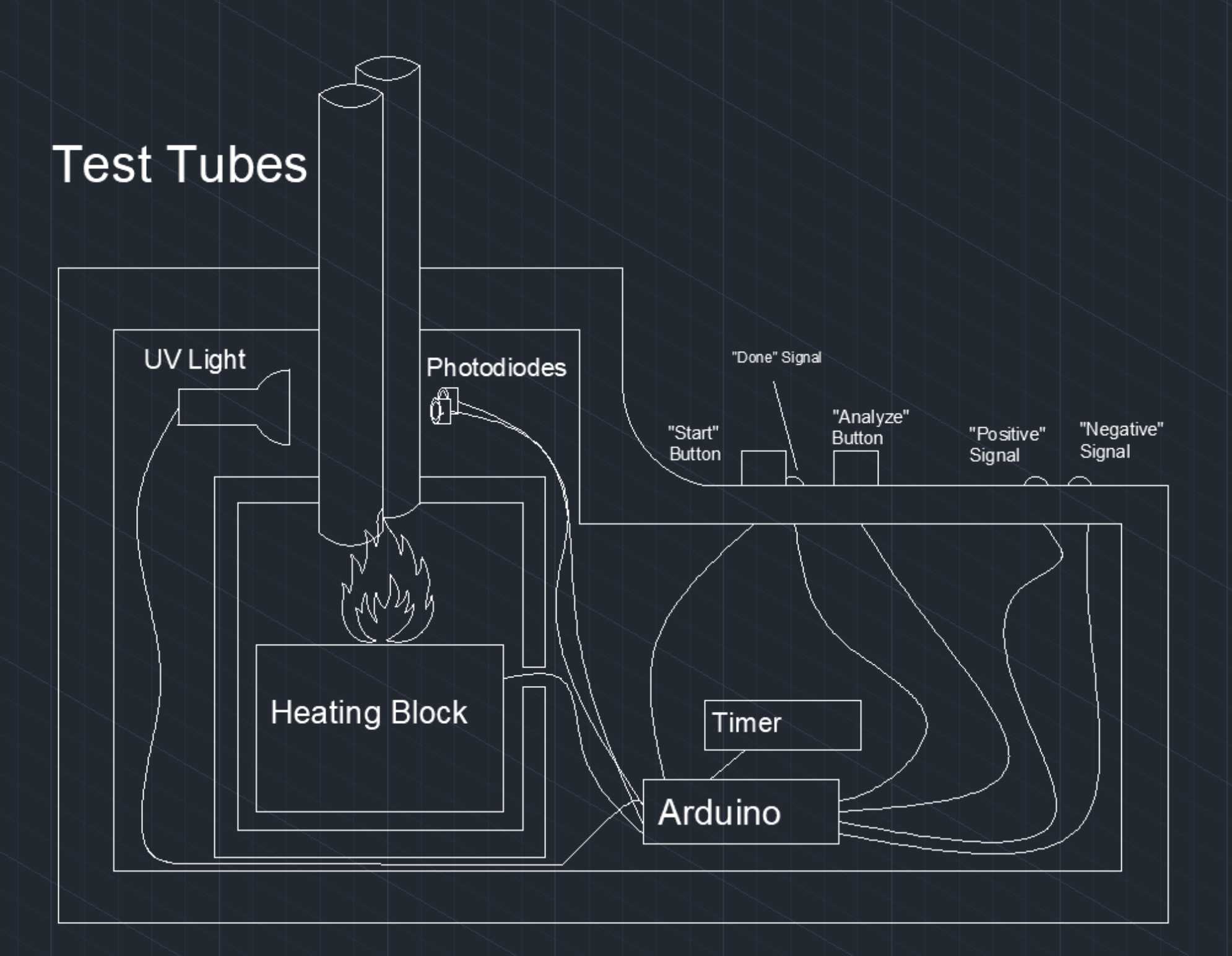
System architecture01
Team project concept diagram showing test tubes, UV illumination, photodiodes, a heating block, timer, and Arduino controls
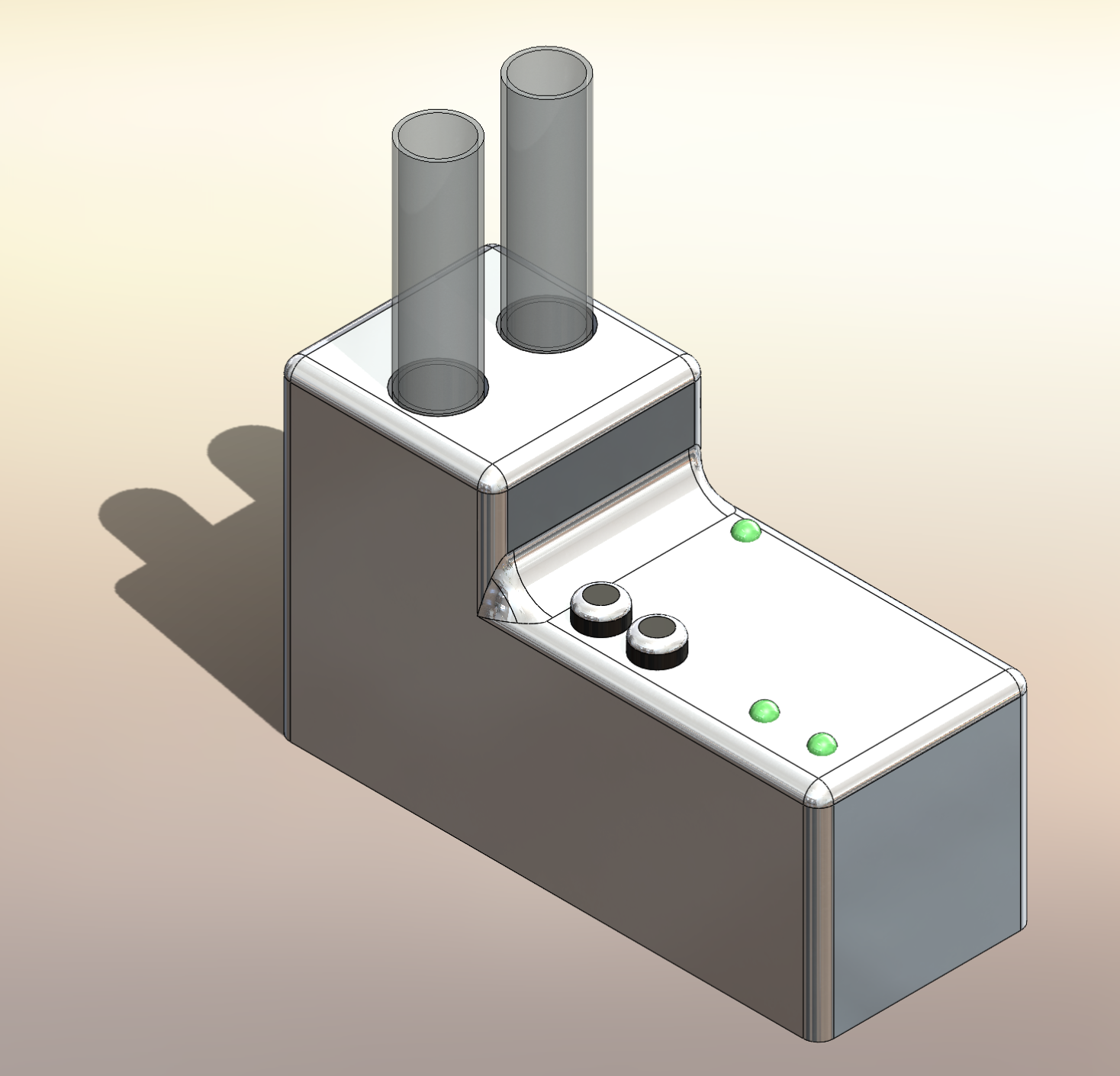
Device concept02
Team project CAD rendering of the proposed portable dual-tube Ebola LAMP diagnostic device

Team project concept showing the proposed internal detection system and exterior device enclosure.

View final paper

My contribution

Focused on the project introduction and research framing, contributing to the evaluation of regulatory considerations, cost, and diagnostic accessibility in resource-limited settings.

Evidence & outcome

Developed a device proposal and feasibility analysis; the concept was not presented as an experimentally validated diagnostic.

  • Diagnostic concept
  • Device systems
  • Feasibility analysis
03 / Research record

Publications

In preparation

Ongoing

Bacteria-phage hybrid system to enhance rare-earth element separation

Kim, T., Jang, C. Y., & Lee, S.-W.

Manuscript in preparation

Peer-reviewed

2023

A quantitative analysis of the active ingredients of broad leaved bamboo and study on its skin condition improvement effect

Jang, C. Y.

International Journal of High School Research

View publication
2021

The effect of masks and travel with the simulation of COVID-19 pandemic

Oh, W., Choe, J., & Jang, Y.

American Journal of Life Sciences

View publication
04 / Beyond the lab

Experience & leadership

Jan — May 2025
Berkeley, CA

Mentor

Bioengineering Honor Society

Mentored high school teams in a bioengineering design competition, providing guidance on technical feasibility, ethical considerations, and real-world applications.

May — Aug 2024
Seoul, South Korea

Research Assistant

Korea Testing & Research Institute (KTR)

Reviewed and translated OECD 301 biodegradability testing guidelines and analyzed quantitative assessment criteria relevant to sustainable cosmetic material development.

Aug 2020 — May 2024
Jeju, South Korea

Founder & Research Lead

Collective Youth in Jeju

Investigated the antioxidant, anti-inflammatory, and collagen-related bioactivity of Sasa extracts. Raised $3,000 through crowdfunding to translate the research into a product supporting social welfare.

05 / Methods & tools

Technical expertise

01

Programming & modeling

  • Python
  • MATLAB
  • NumPy
  • Matplotlib
  • Jupyter Notebook
  • Git/GitHub
  • COMSOL Multiphysics
  • 2D Axisymmetric Modeling
  • Fickian Diffusion Modeling
02

Bioinformatics

  • SnapGene
  • NCBI
  • UniProt
  • PDB
  • Pfam
  • HMMER
  • JBrowse
  • sequence alignment and phylogenetic analysis
03

Molecular & analytical

  • Bacterial culture
  • M13 phage amplification
  • phage display
  • Sanger sequencing sample preparation and analysis
  • plaque assays
  • ammonium sulfate precipitation
  • PEG/NaCl Phage Purification
  • Thermoresponsive Aggregation Assays
  • Serial Dilution & Buffer Preparation
  • UV–Vis/NanoDrop spectroscopy
04

Microfabrication & microfluidics

  • SU-8 photolithography
  • PDMS fabrication
  • plasma bonding
  • profilometry
  • syringe-pump flow control
  • membrane transport assays
  • FITC Permeability Assays
  • Fluorescence Quantification (SpectraMax M2)
  • Optical Microscopy
06 / Contact

Let’s connect